The Wayward Traveler

The Wayward Traveler

He left a company truck, a six‑figure future, and his father’s twenty‑year plan—for a one‑way ticket and a backpack.


A young American walks away from a safe life and spends a decade circling the globe on almost no money, learning to survive in a world that no longer exists.


In 1985, Louis boards a plane with a backpack, a shoestring budget, and a one‑way ticket. He comes home, saves, and does it
again—ten long journeys over ten years through nearly a hundred countries, in the last days before cell phones, the internet, and GPS shrank the world. From the alleys of Jerusalem to frozen ridges in the Atlas Mountains, from India’s Thar Desert to the Amazon Basin, Louis hitchhikes across borders, rides cargo boats and third‑class trains, and walks into deserts, jungles, and war‑scarred cities with no backup plan and no safety net.


Broke most of the time, he develops his own Rules for
Survival—raw, hard‑earned truths like Embrace the Unknown, If You Can’t Get Out of Something, Get Into It, Don’t Chase the Fire, and Choose Your Battles—each one born from real peril, bad decisions, and unexpected kindness on the road.


Part coming‑of‑age novel, part true travel memoir, The
Wayward Traveler is for readers who want to feel the dust, the fear, the wonder, and the long, lonely roads of a vanished, pre‑internet world—perfect for fans of big, immersive journeys like Shantaram and The Beach.

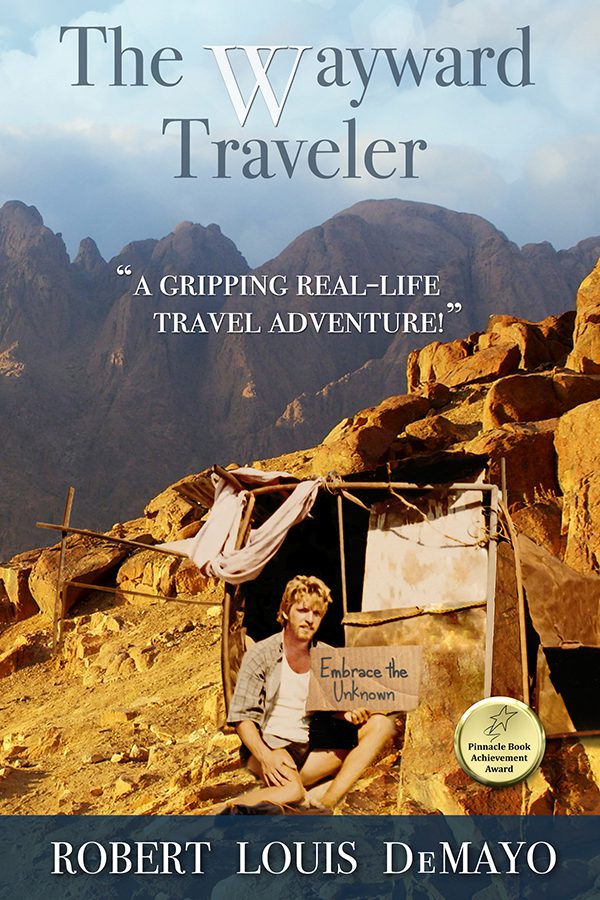
"Whether you're a traveler or an armchair traveler, this book will make you feel the road. "

Winner of the Pinnacle Book Award for Travel Fiction.

Winner of the John E. Weaver Excellent Reads Award for Fiction: Travel

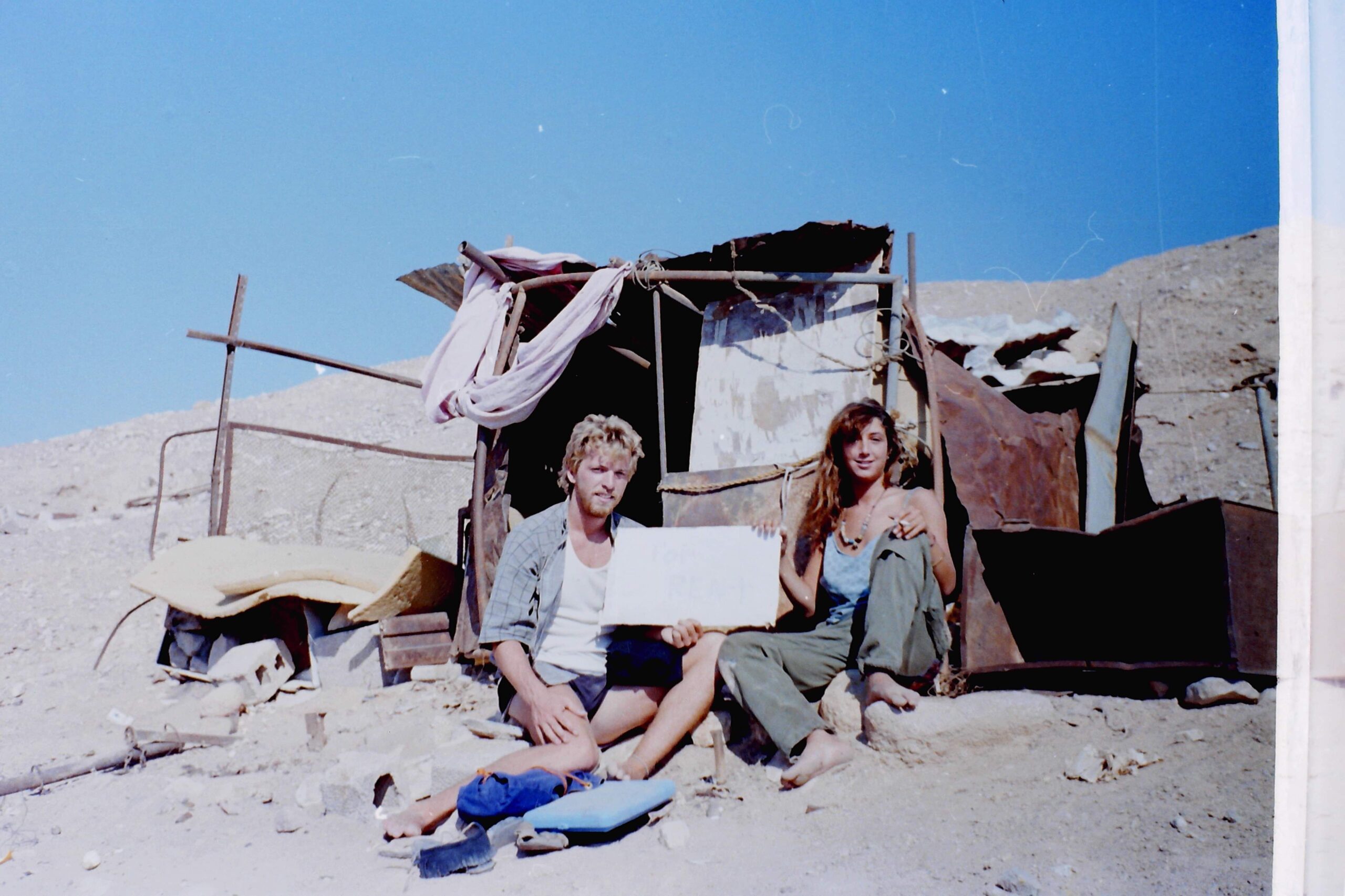
Jill and me in front of our little shack in southern Israel.

Eight months into an eighteen‑month journey—broke, road-worn, and nowhere near ready to go home.

The 1980s and 1990s were the last years of truly analog wandering. In that pre‑internet world, a traveler could still disappear into distant corners of the map with little more than a backpack, instinct, and luck. That freedom came with real risk, but it also made possible the hard-earned lessons, unexpected kindness, and raw adventure at the heart of The Wayward Traveler.
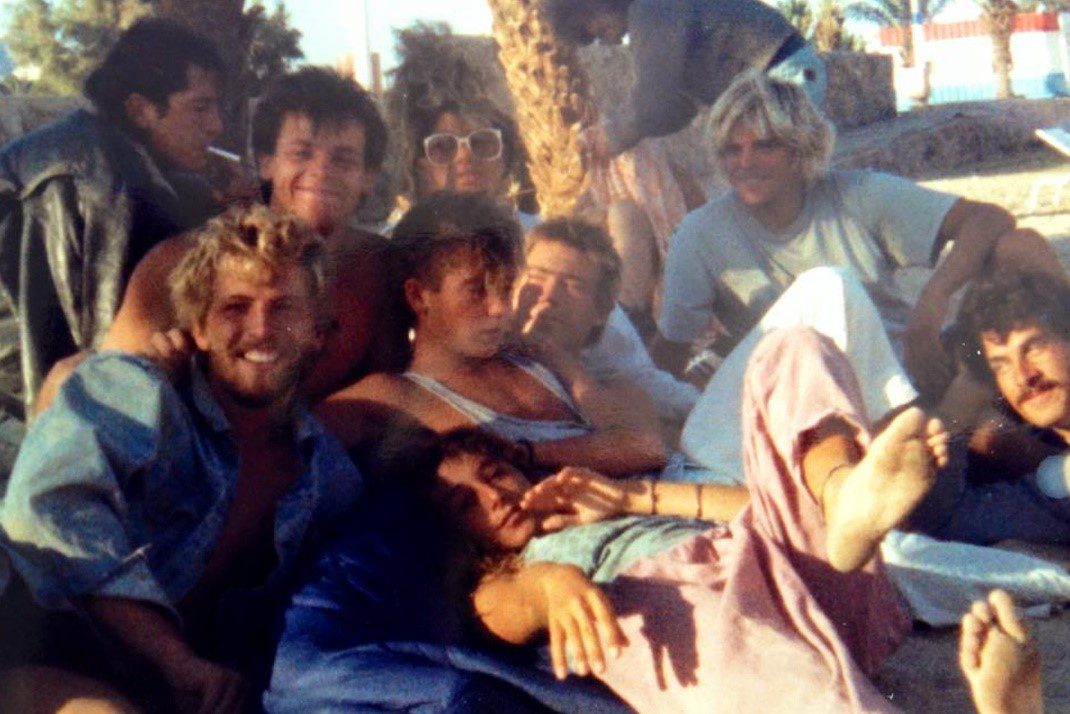
Me and the crew in southern Israel, during one of our long treks into the Sinai Desert to Dahab, 1986.

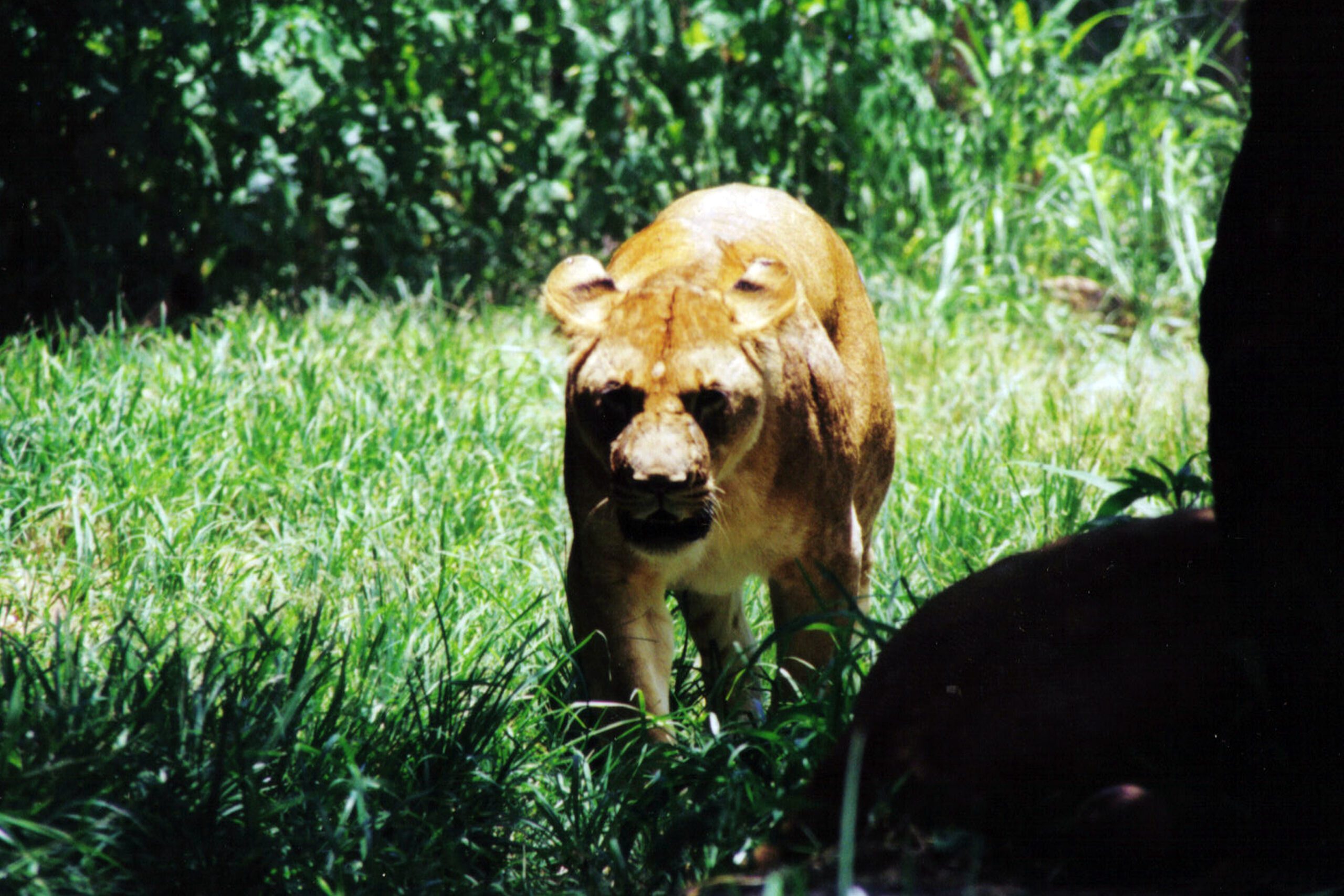
A lioness watching from the grass

—one of many reminders that the

road isn’t always tame.

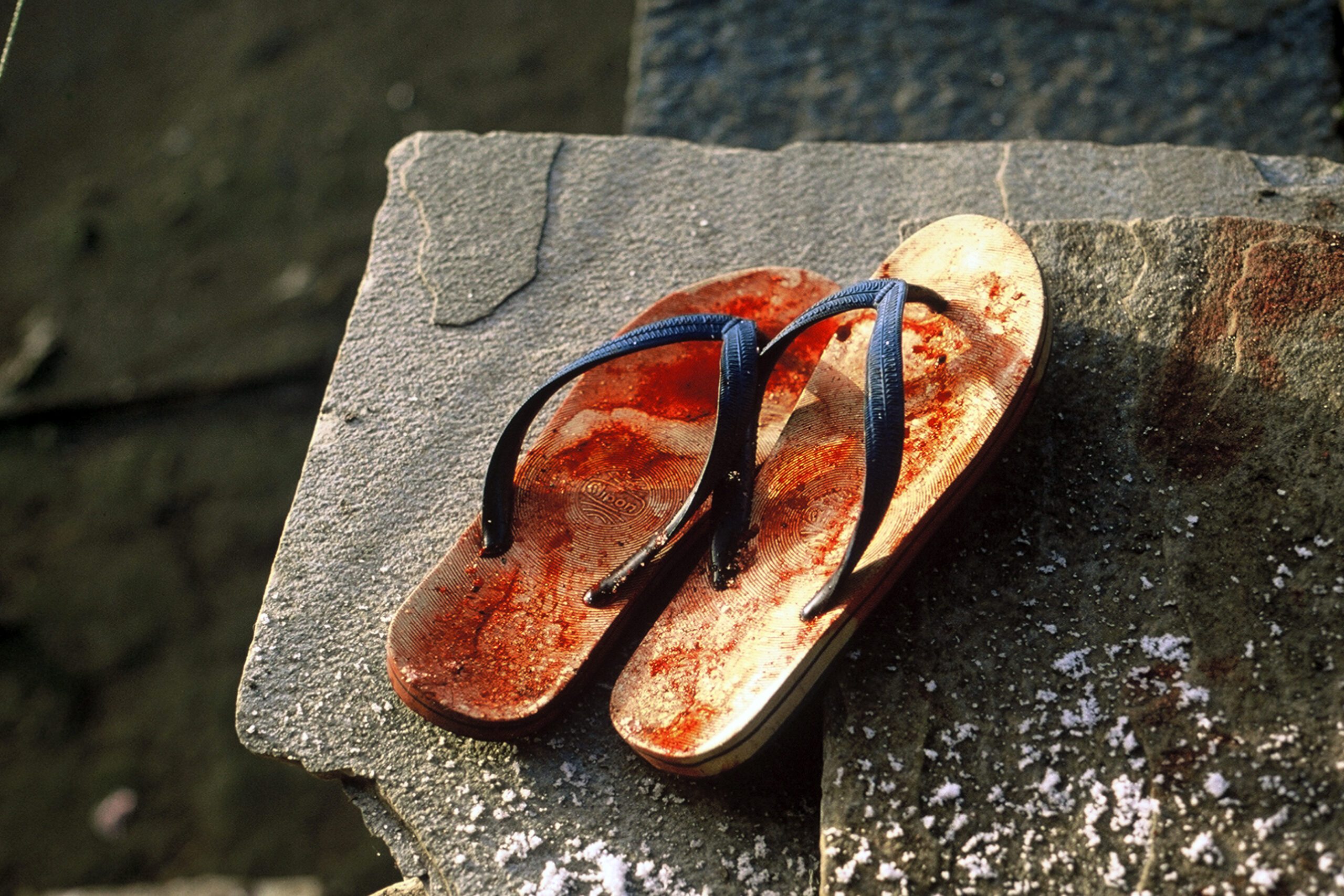
My bloody sandals after getting attached by leeches in the

Annapurnas (Nepal).

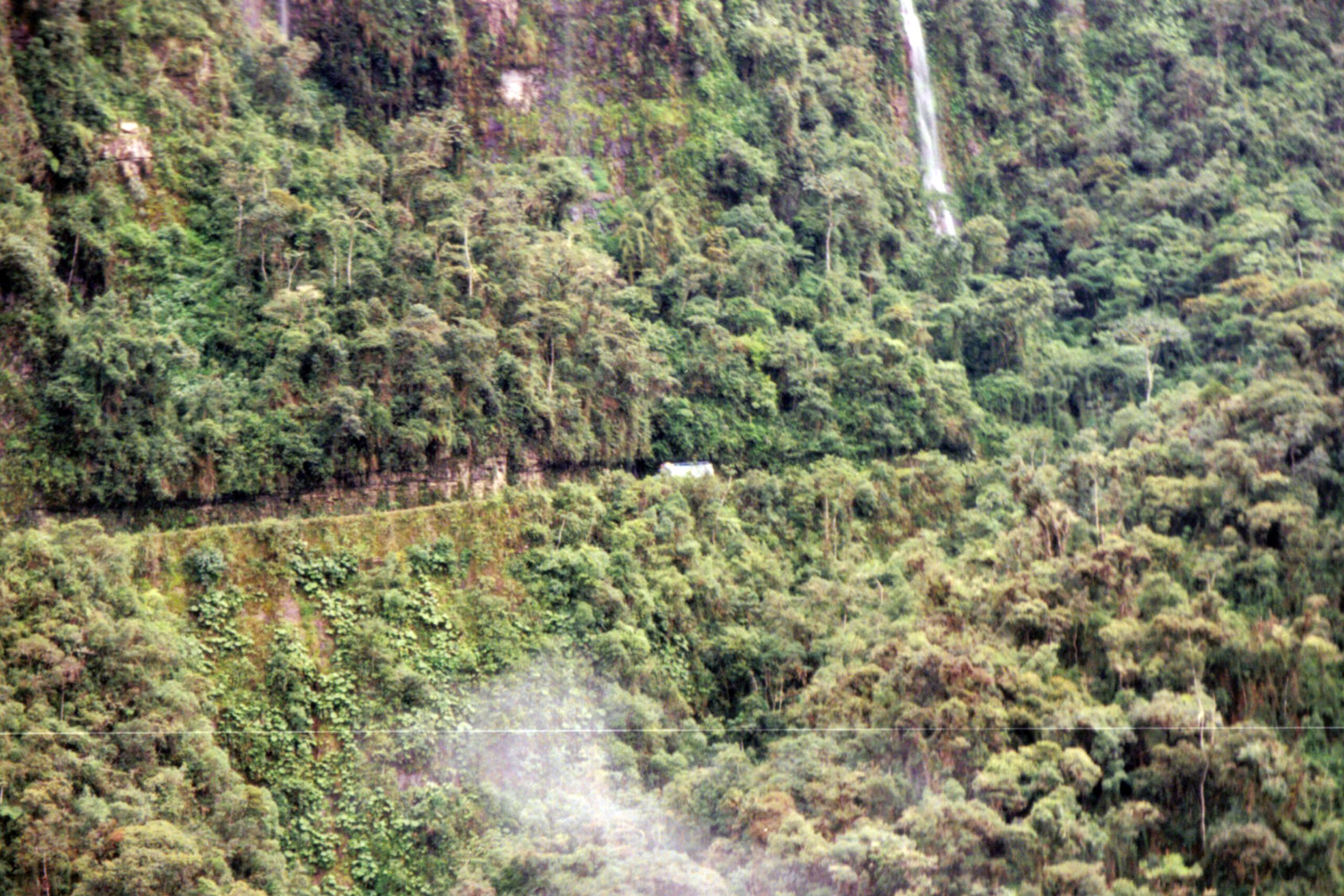
The Highway of Death, in Bolivia,

as you go from La Paz down into

the Amazon basin.

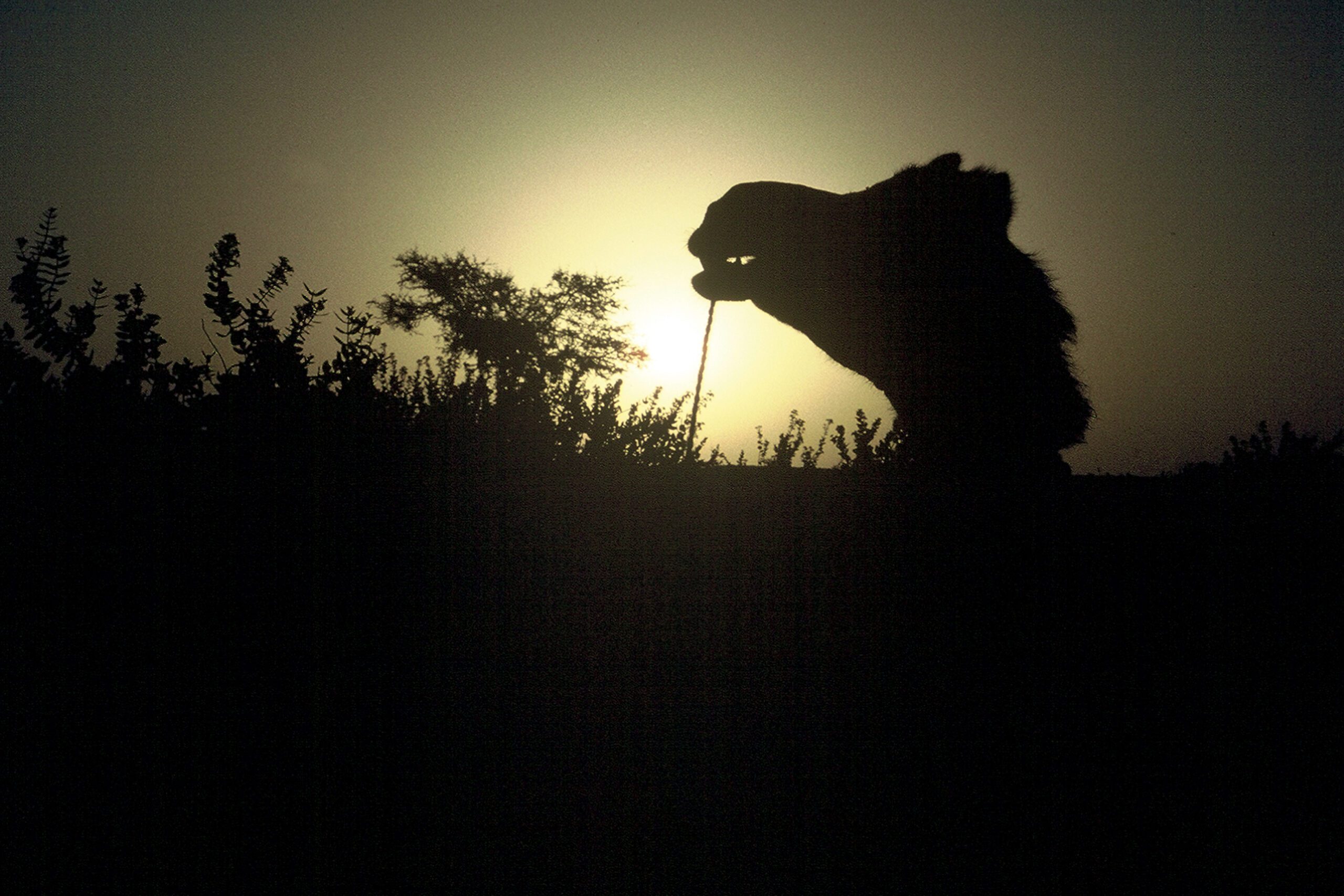
My camel Kalu, who got me out of the Thar desert after we were hit by a sandstorm and lost our water.

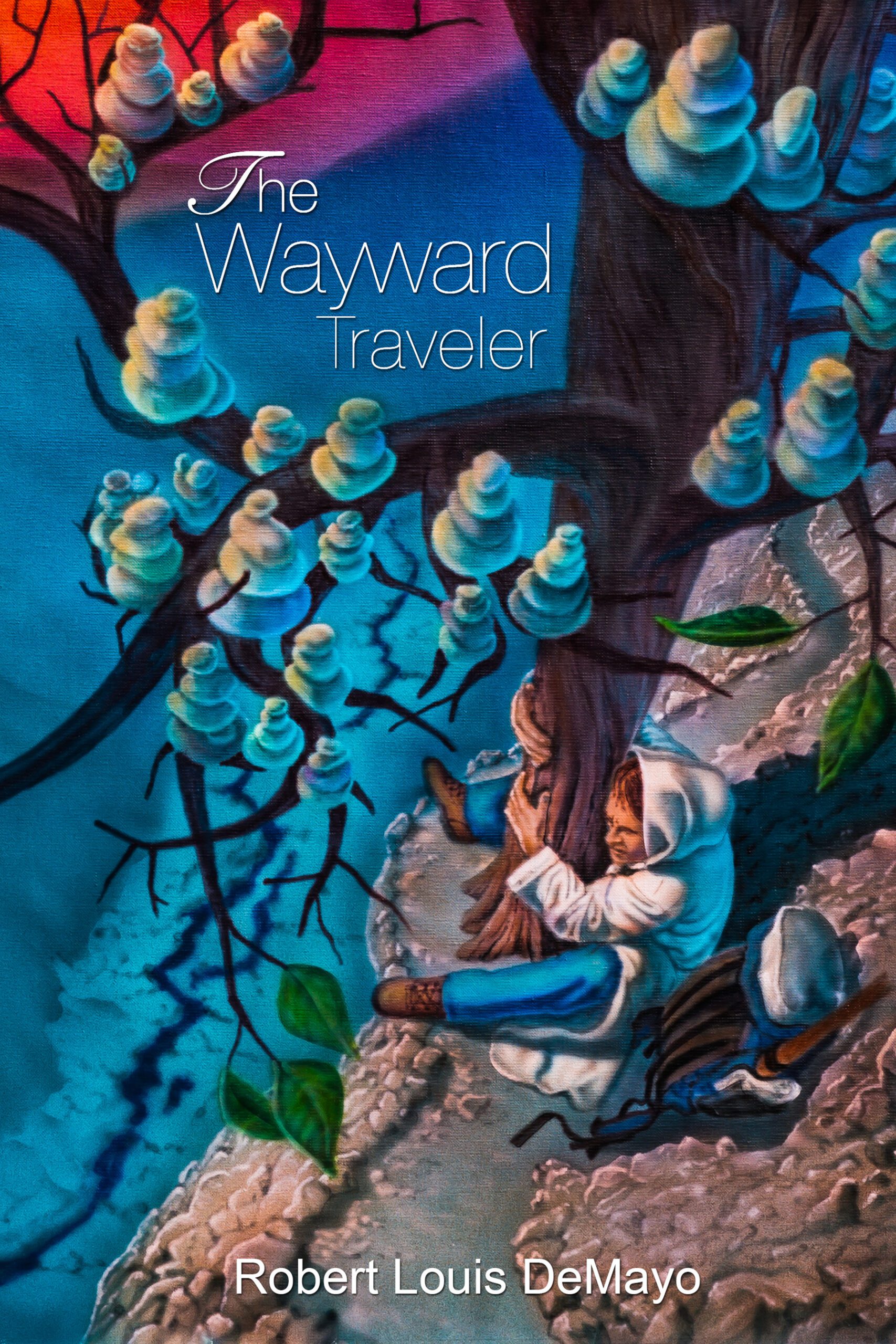
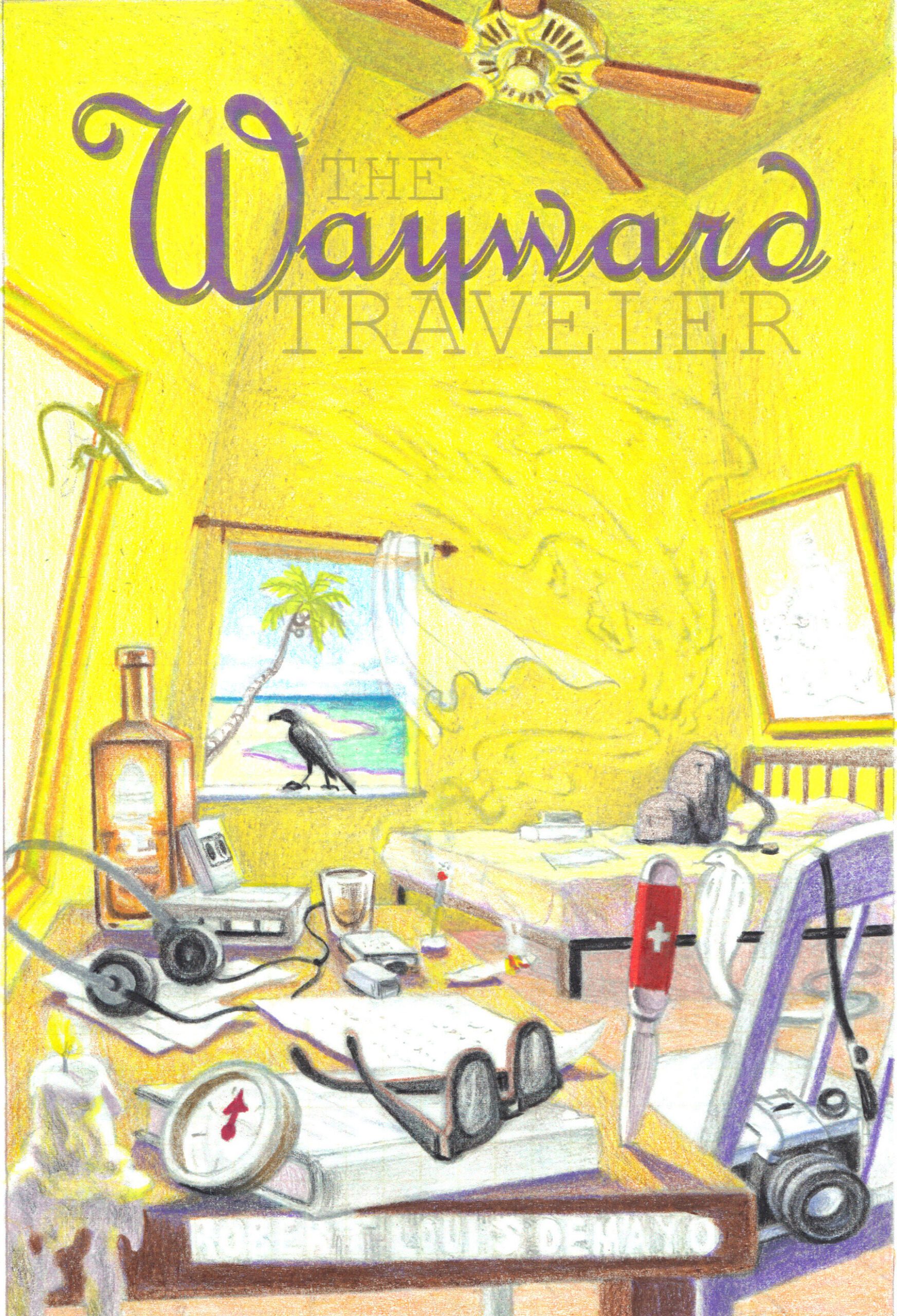
Early cover for

The Wayward Traveler.


Drawing by Tom Fish.

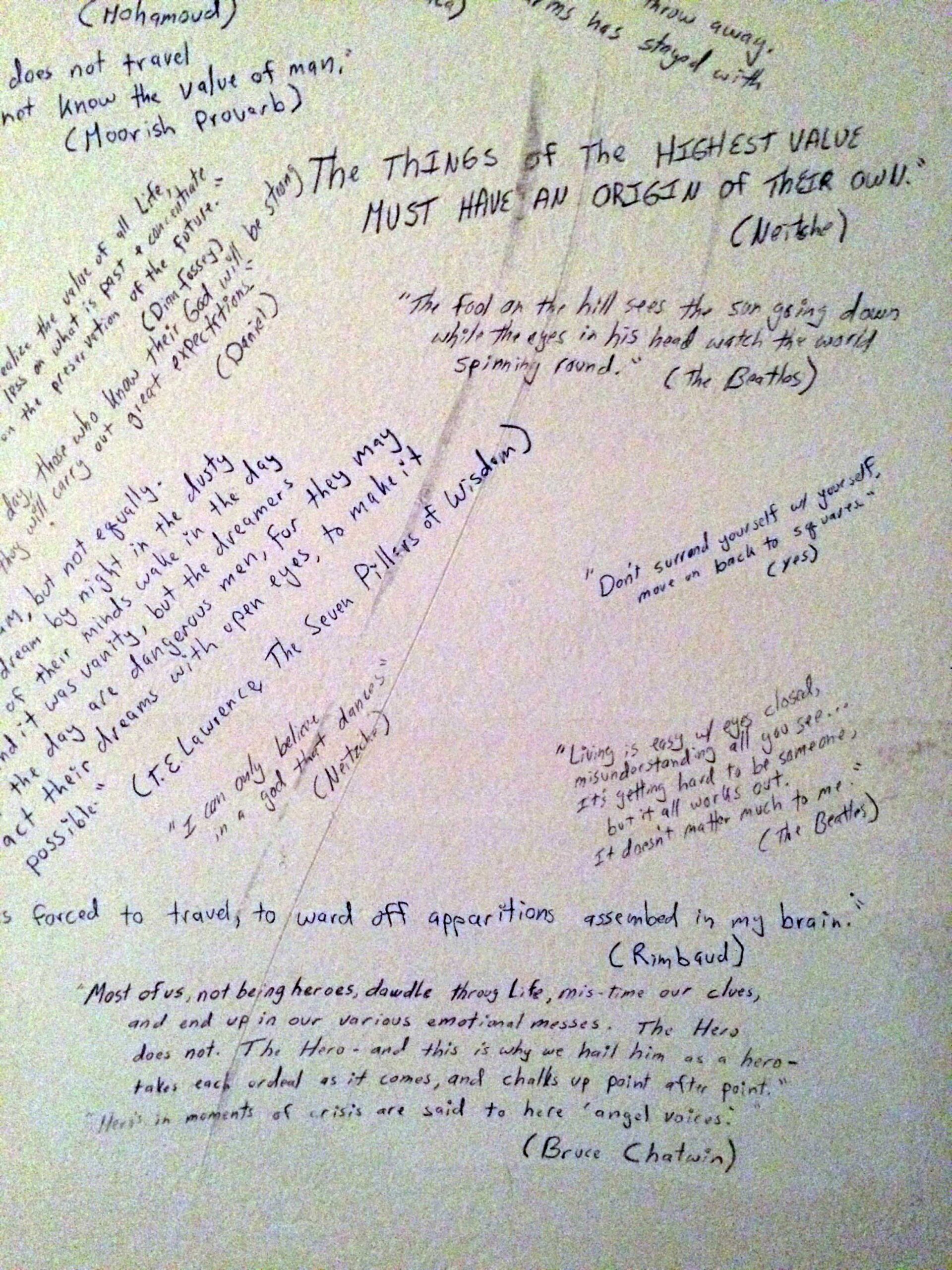
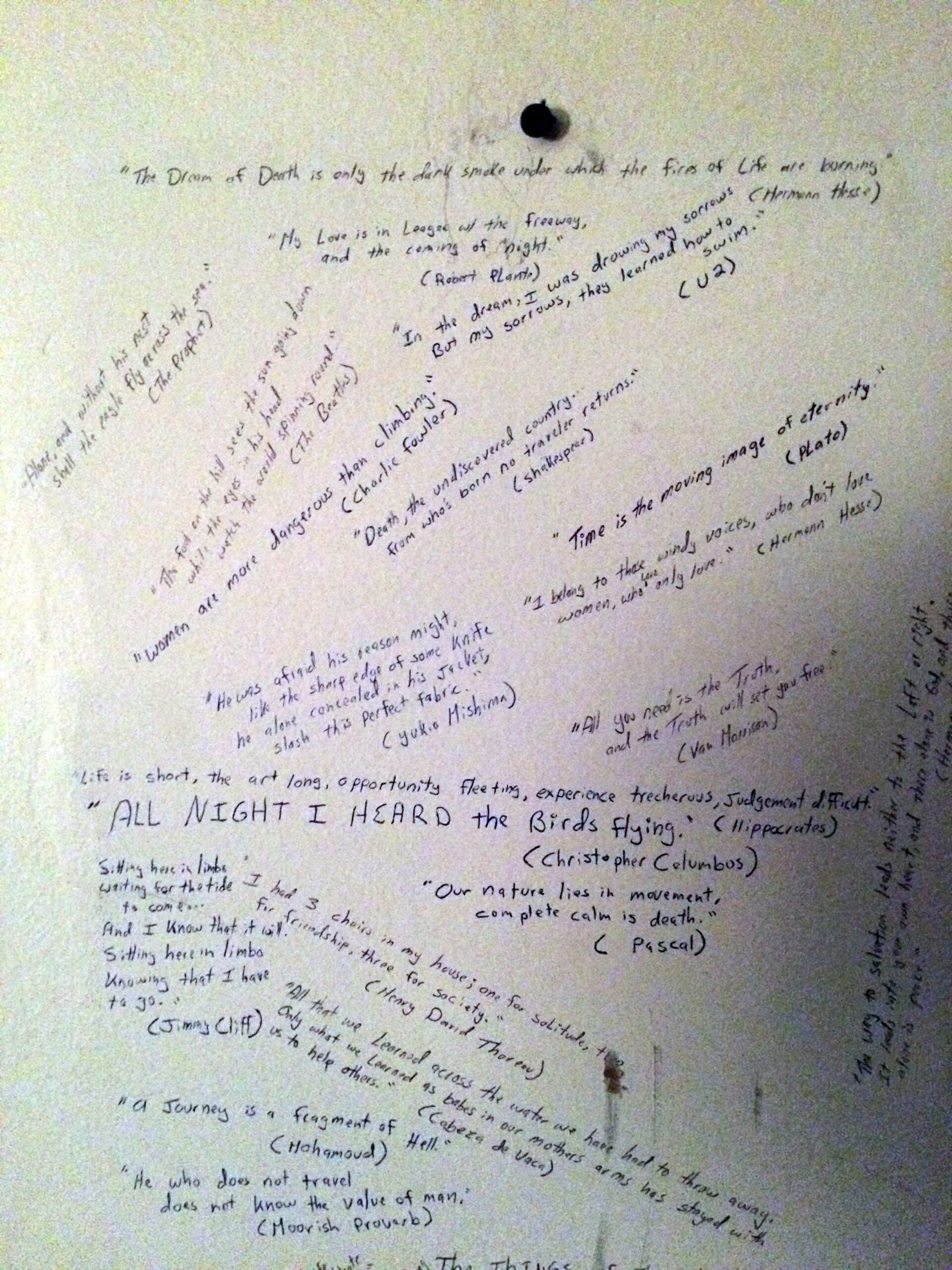
When I was a kid, all I wanted to do

was travel. But my dad had

other plans for me, so I had to

keep those dreams hidden.

Behind the mirror in my room,

I kept a collection of travel quotes,

and whenever I grew restless

for the road, I added

new ones to the list.

Interior artwork by Tom Fish.

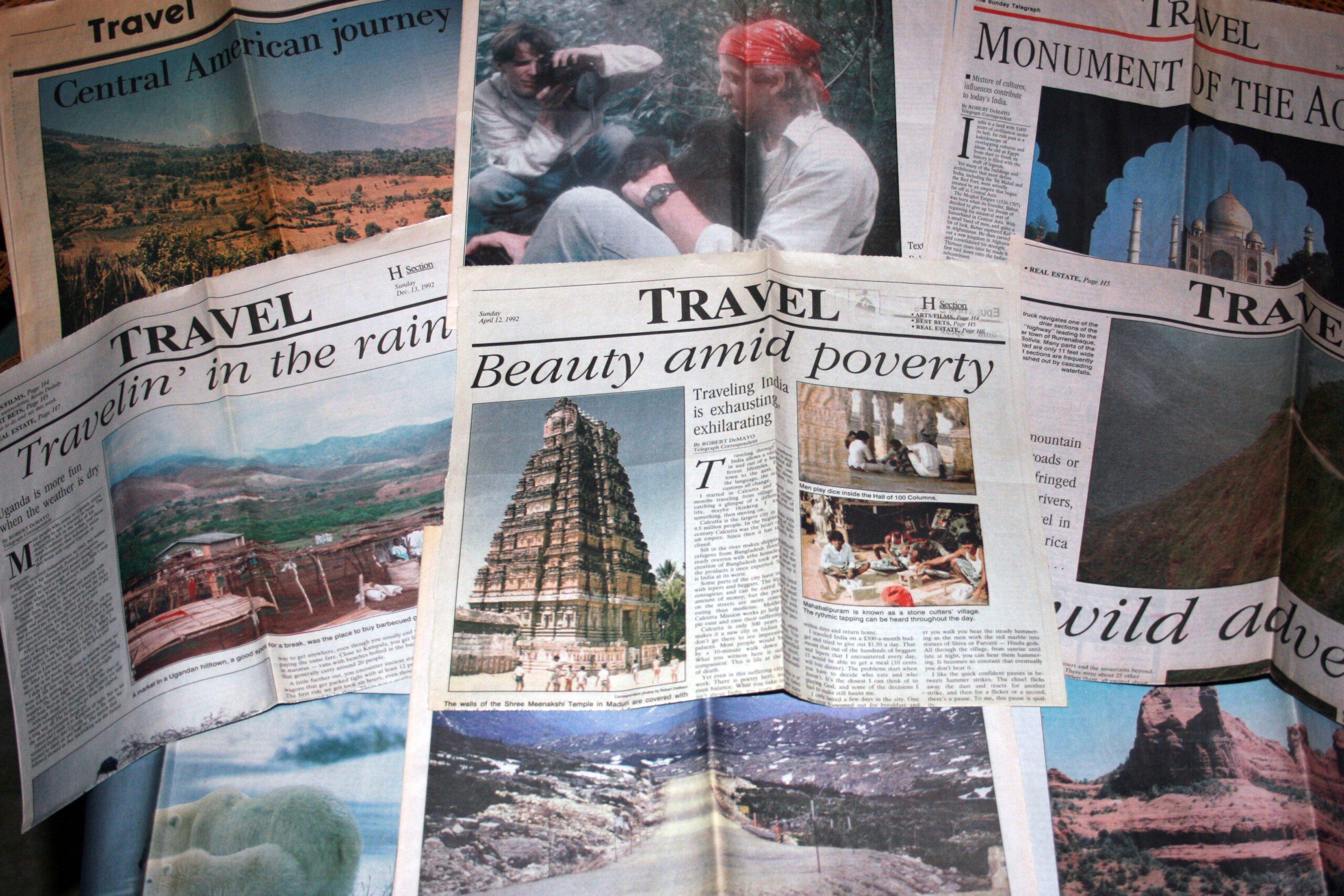
Over a fifteen-year period, I wrote 55 travel features. In those days, the paper didn’t have anyone else abroad, so they’d often give me the front page and the next two, sometimes five articles and up to ten photos. My editor knew I was broke, so she ran as much of my work as she could to keep me funded for the road.

If you enjoyed The Wayward Traveler and want to see what travel books I would recommend, please check out my list on Shepherd.


The Best Travel Books for those who want to feel the Road.


After finishing this journey, be sure to explore Robert Louis DeMayo’s other travel narratives—stories that trace real‑world paths through wild landscapes, rich cultures, and moments of profound discovery.

Subscribe for new adventures, book news, & behind‑the‑scenes stories on Substack →


Substack


rdemayo07@aol.com


Sedona, Arizona

Follow me on Instagram →


Follow me on Facebook →