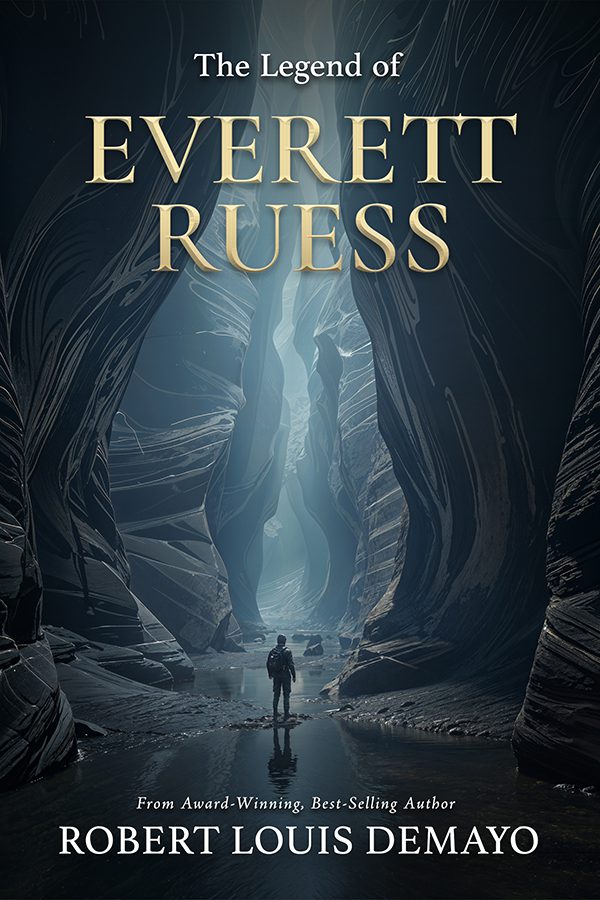
Some people vanish from the map. Everett Ruess vanished into legend... But he wasn’t supposed to disappear.
At sixteen, he walked away from “the white man’s world” and stepped alone into the vast, empty Southwest—years before tourists and movie crews found Monument Valley or the canyon country.
For four wild years, he wandered deserts and cliffs almost no one in America had seen, writing letters full of fierce, lyrical wonder, painting stark landscapes, and talking to animals and the wind as if they were his only companions.
Then, at twenty, he vanished.
In The Legend of Everett Ruess, award-winning novelist Robert Louis DeMayo transforms Ruess’s real letters and journeys into a vivid historical novel that feels like a private doorway into another time. Everett’s nephew, Brian Ruess, has guarded his uncle’s legacy for decades, and his introduction to this edition frames the novel as a way to honor Everett’s call that it is time to live.
But this is more than a biographical retelling. Drawing on Hopi ideas of time and renewal, DeMayo lets Everett’s last journey brush against something older and stranger than any map—where memory, vision, and the desert itself seem to bend the paths he walks. The result is a haunting narrative in which time and landscape echo one another, inviting you to see Everett’s four short years as something deeper than a straight line from beginning to end.
If you’ve ever dreamed of dropping everything and walking into the wild—no map, no plan, no way back—Everett Ruess did it for you. This book lets you travel with him, letter by letter, canyon by canyon, until you feel why some lives burn bright and brief, and why some legends refuse to die.
If you love deeply researched historical fiction about outsiders and wanderers, don’t stop with Everett. Explore Robert Louis DeMayo’s other historical fiction novels, including tales of a young Theodore Roosevelt in northern Maine and Michael Fomenko leaving Australian society in 1958 to paddle a dugout canoe from Cairns, Australia to Papua New Guinea.
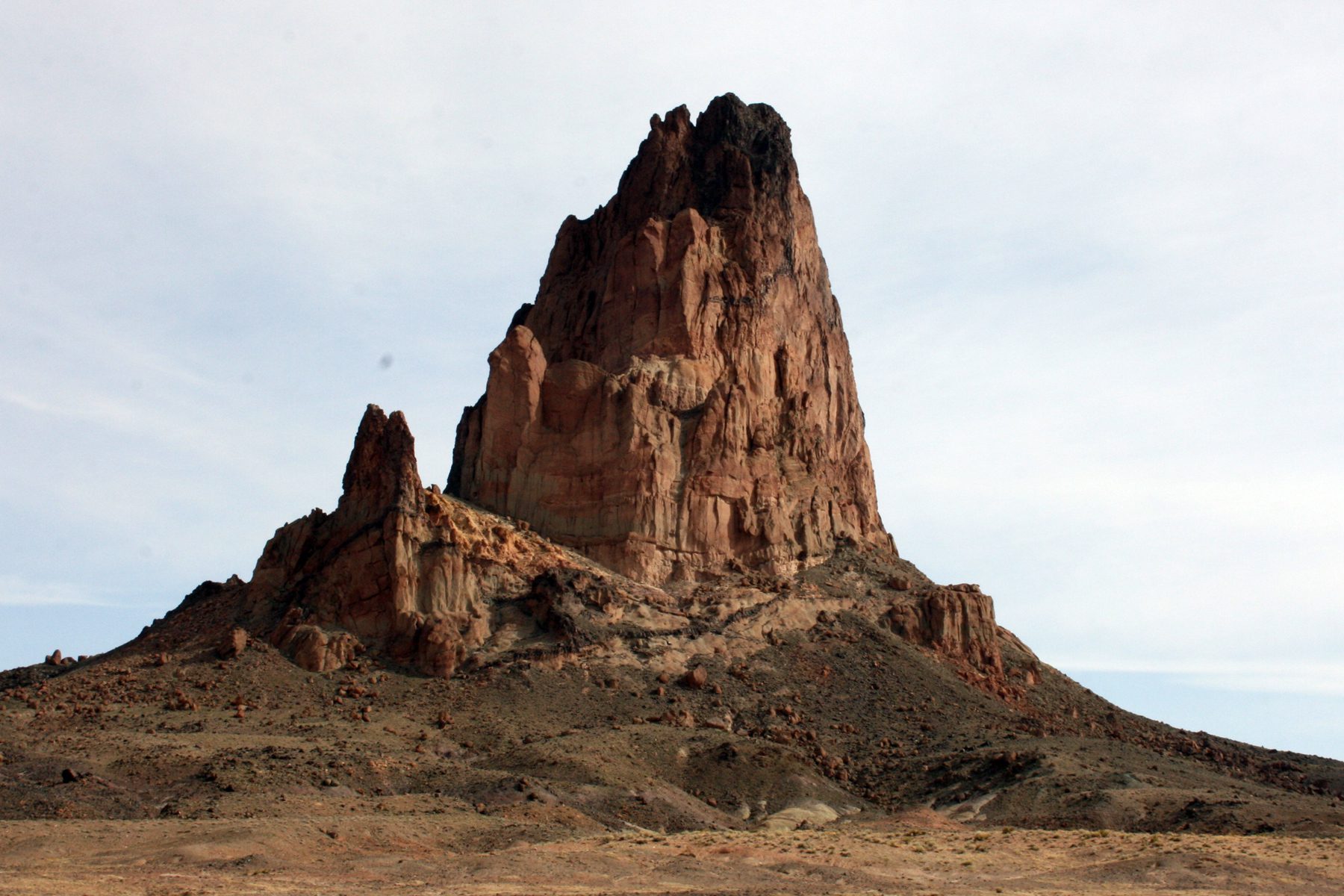
On a dark, windy night in 1930, sixteen-year-old Everett Ruess climbed Agathla Rock and wrote a poem about it.
Pledge to the Wind
by Everett Ruess
Onward from vast uncharted spaces,
Forward through timeless voids,
Into all of us surges and races
The measureless might of the wind.
Strongly sweeping from open plains,
Keen and pure from mountain heights,
Freshly blowing after rains,
It welds itself into our souls.
In the steep silence of thin blue air,
High on a lonely cliff-ledge,
Where the air has a clear, clean rarity,
I give to the wind…my pledge:
“By the strength of my arm,
but the sight of my eye,
By the skill of my fingers, I swear,
As long as life dwells in me, never will I
Follow any way but the sweeping
way of the wind.
I will feel the wind’s buoyancy until I die;
I will work with the wind’s exhilaration:
I will search for its purity; and never will I
Follow any way but the sweeping
way of the wind.”
Here in the utter stillness,
High on a lonely cliff-ledge,
Where the air is trembling with lightning,
I have given the wind my pledge.
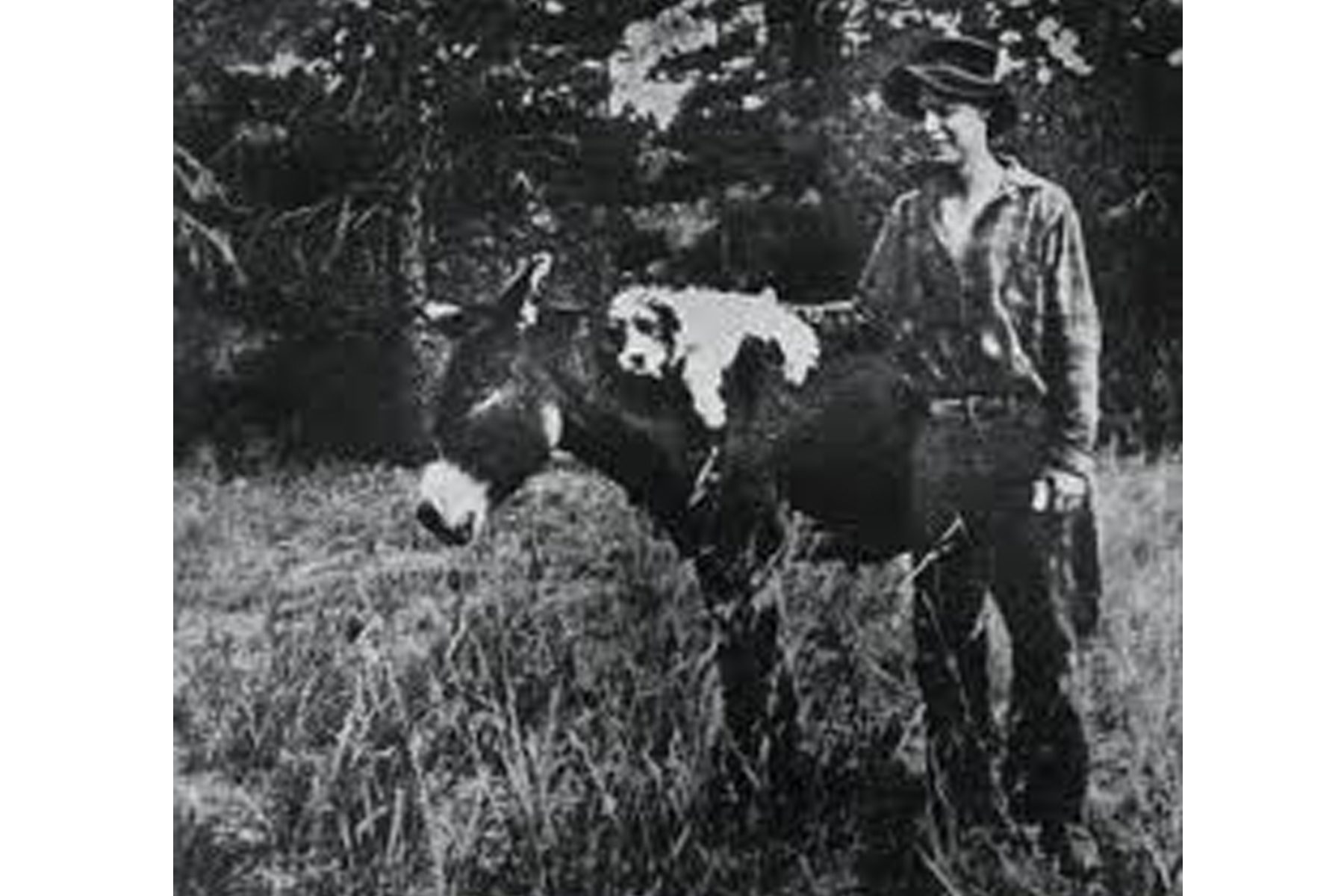
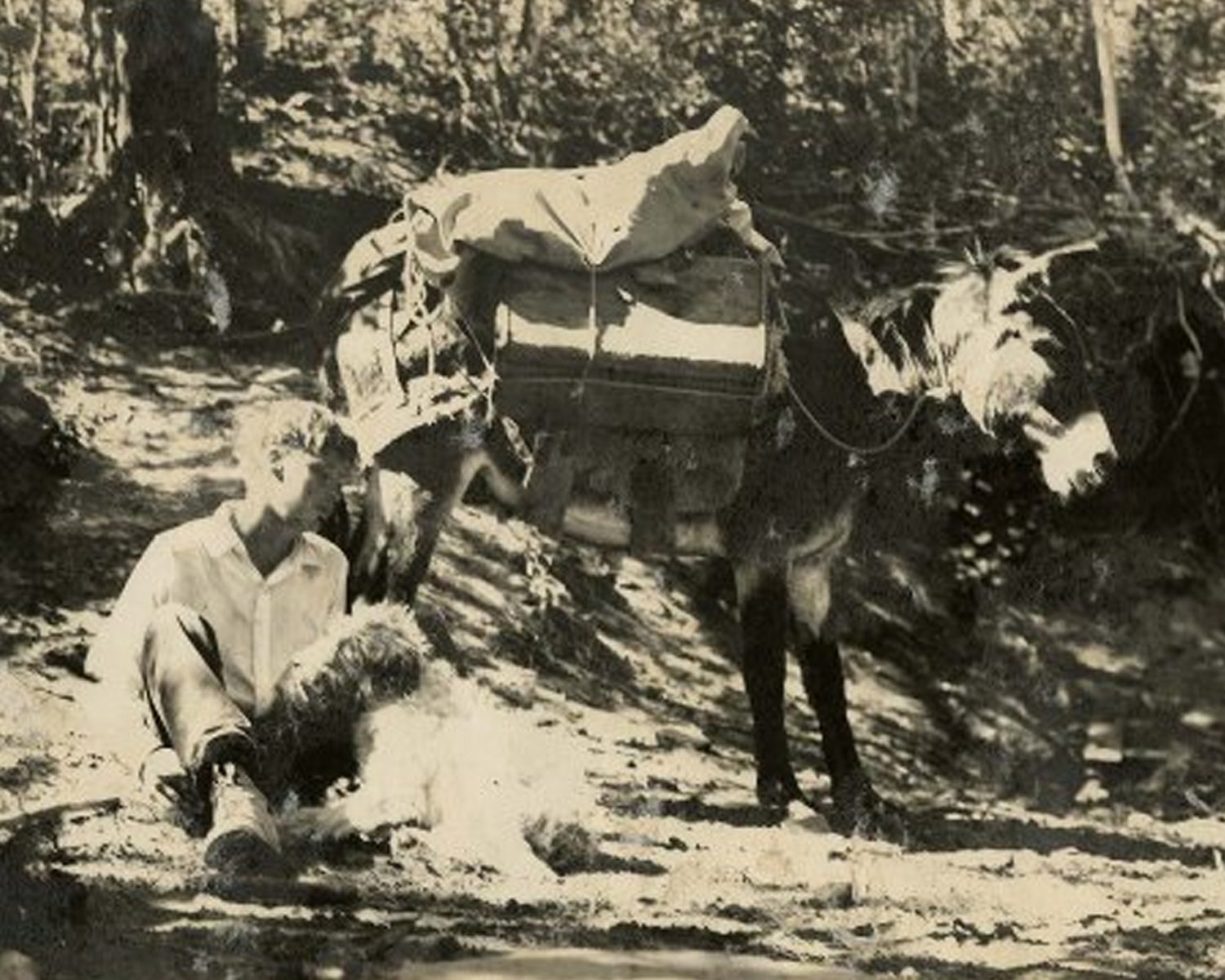
Traveling with Curly and Chocolatero
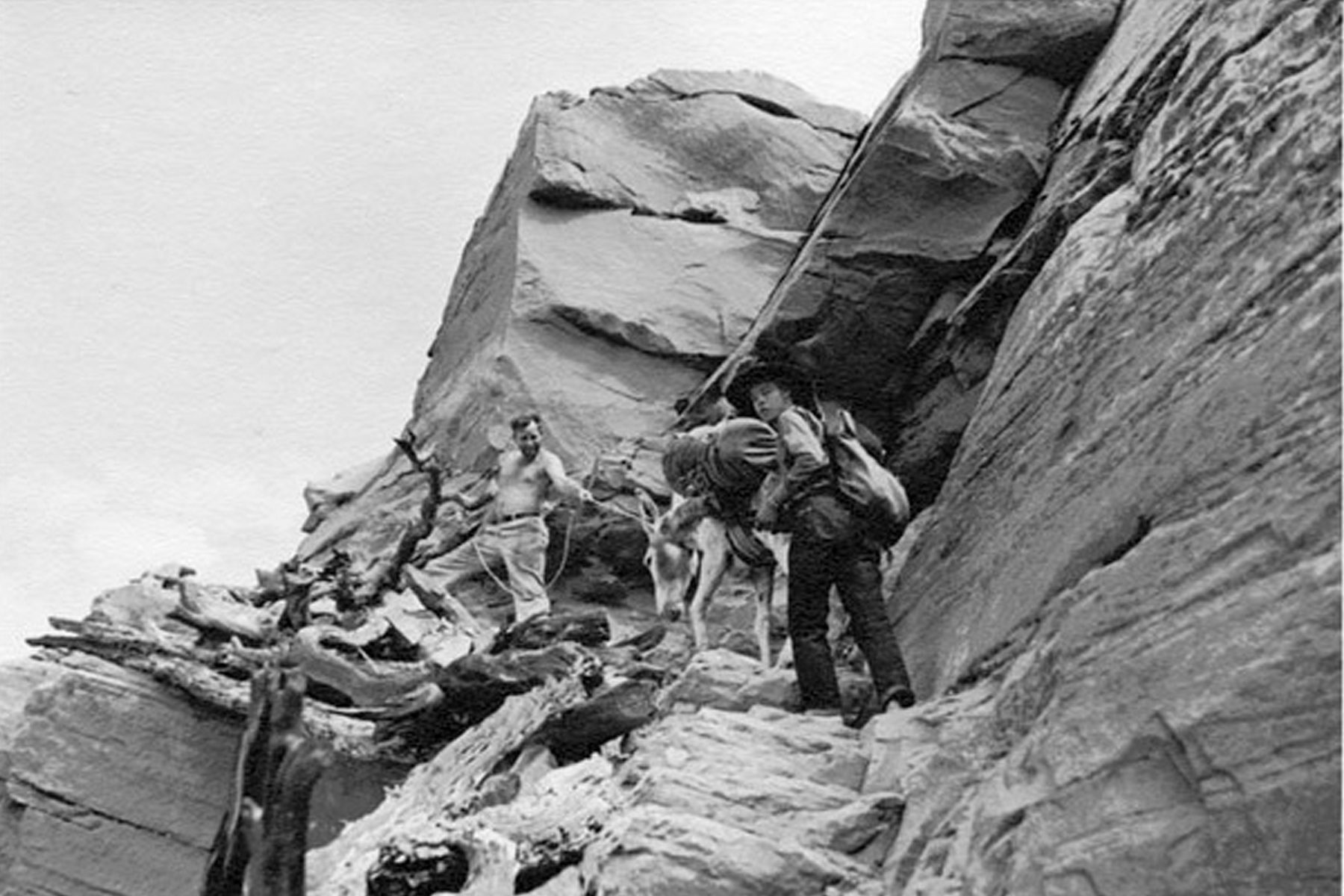
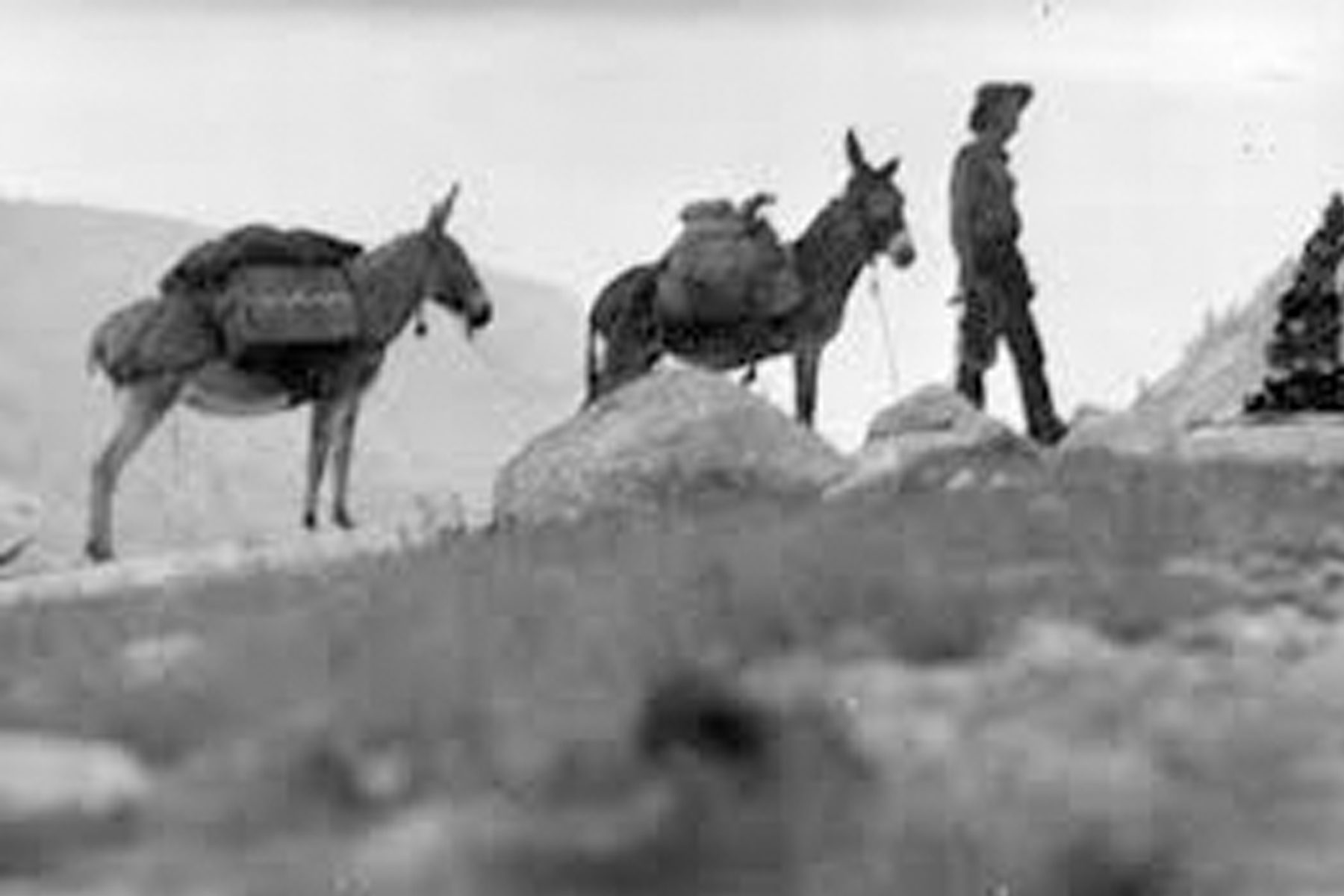
Trying to get a pack burro up onto Skeleton Mesa.
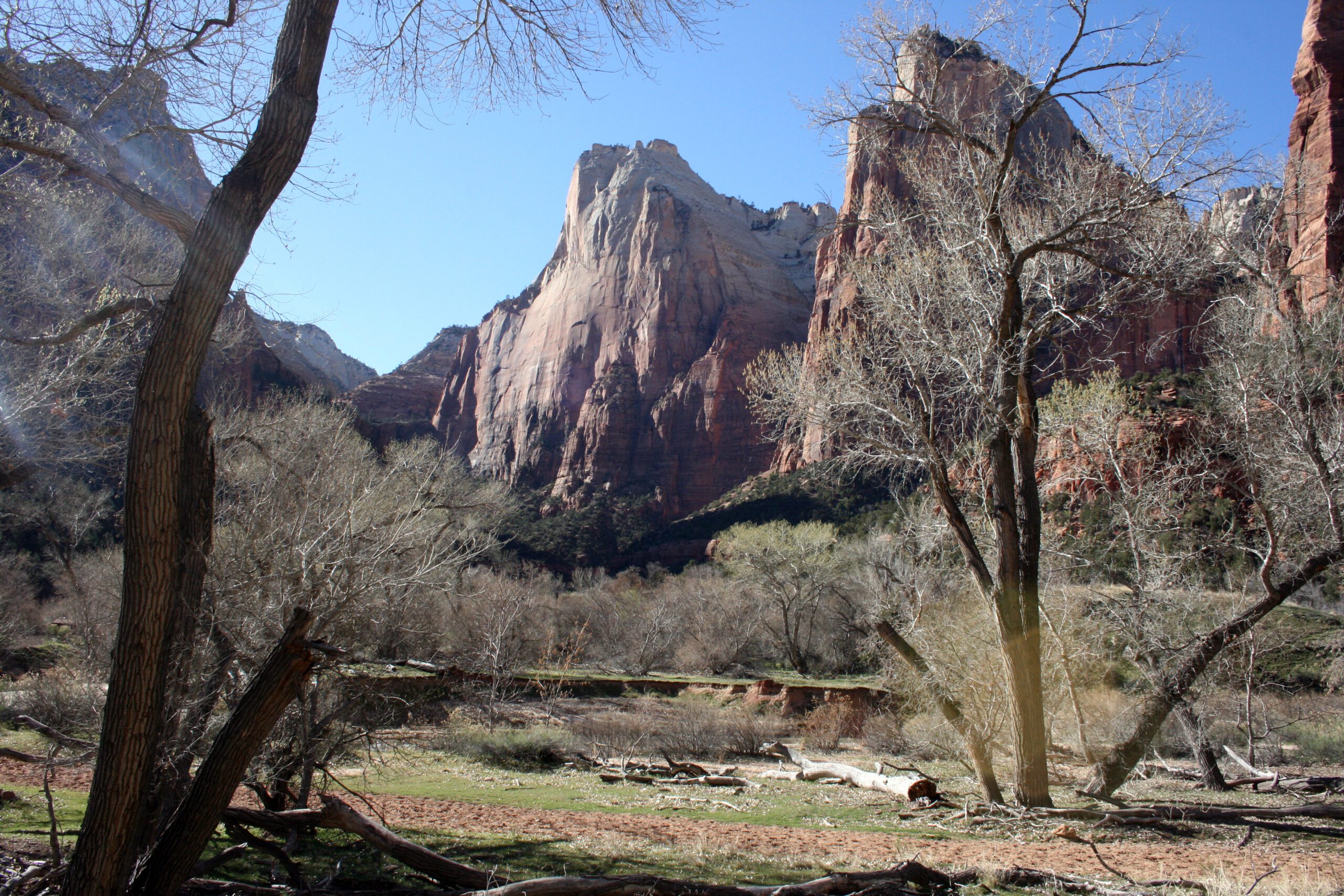
The Patriarchs, Zion.
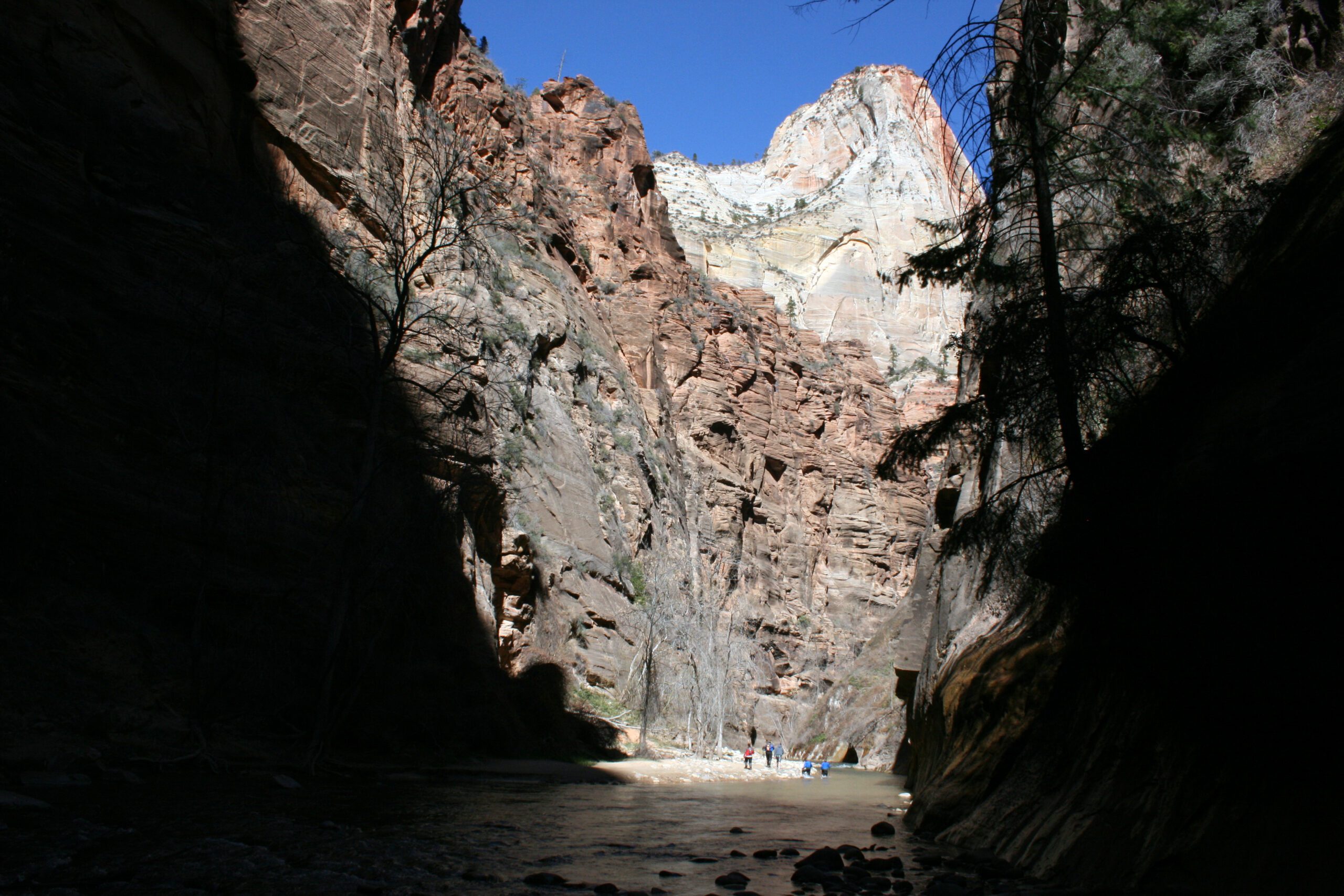
The Narrows, Zion.
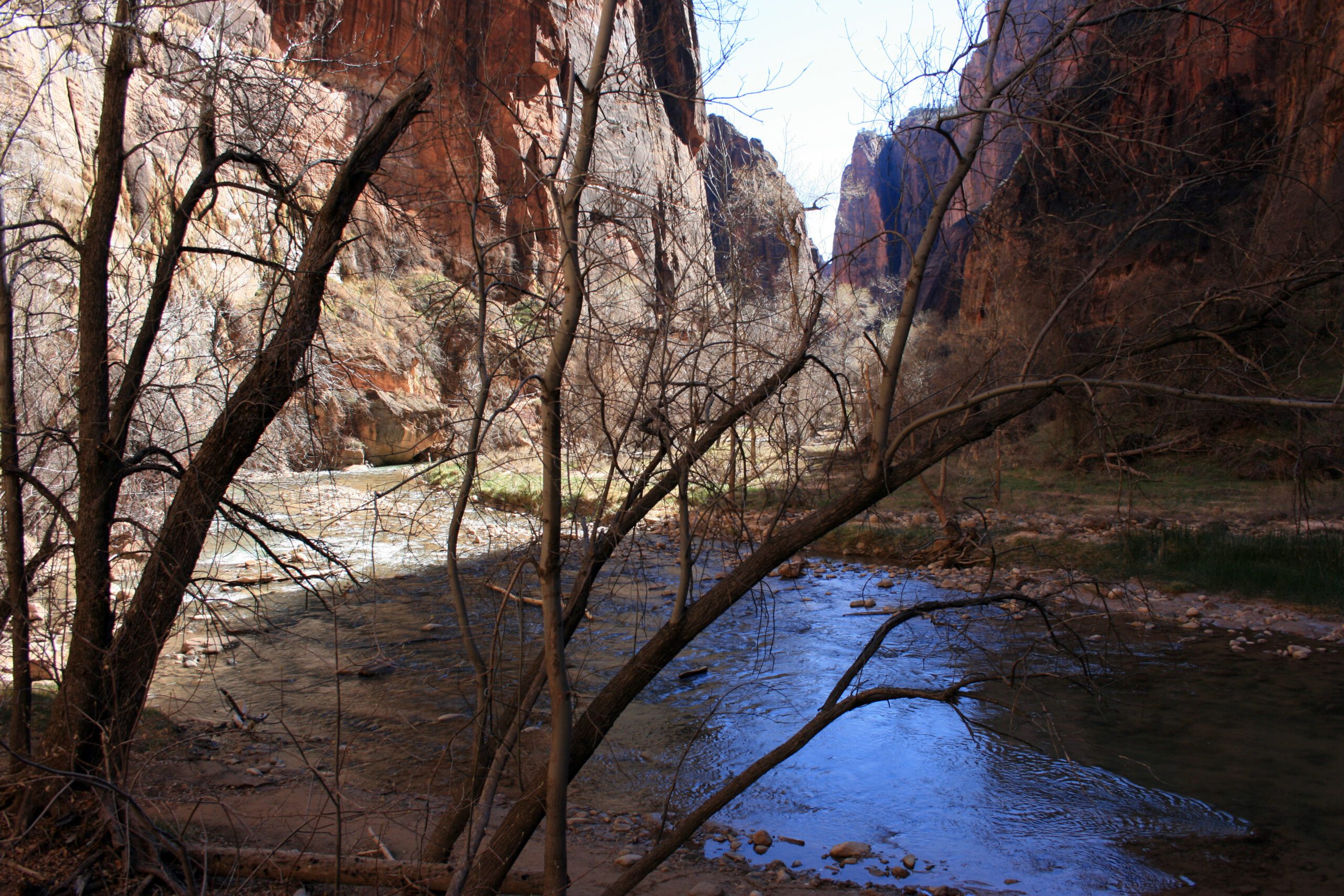
The Temple and the Virgin River, Zion.
Everett walked into the desert as a young man...
...but left as a legend.
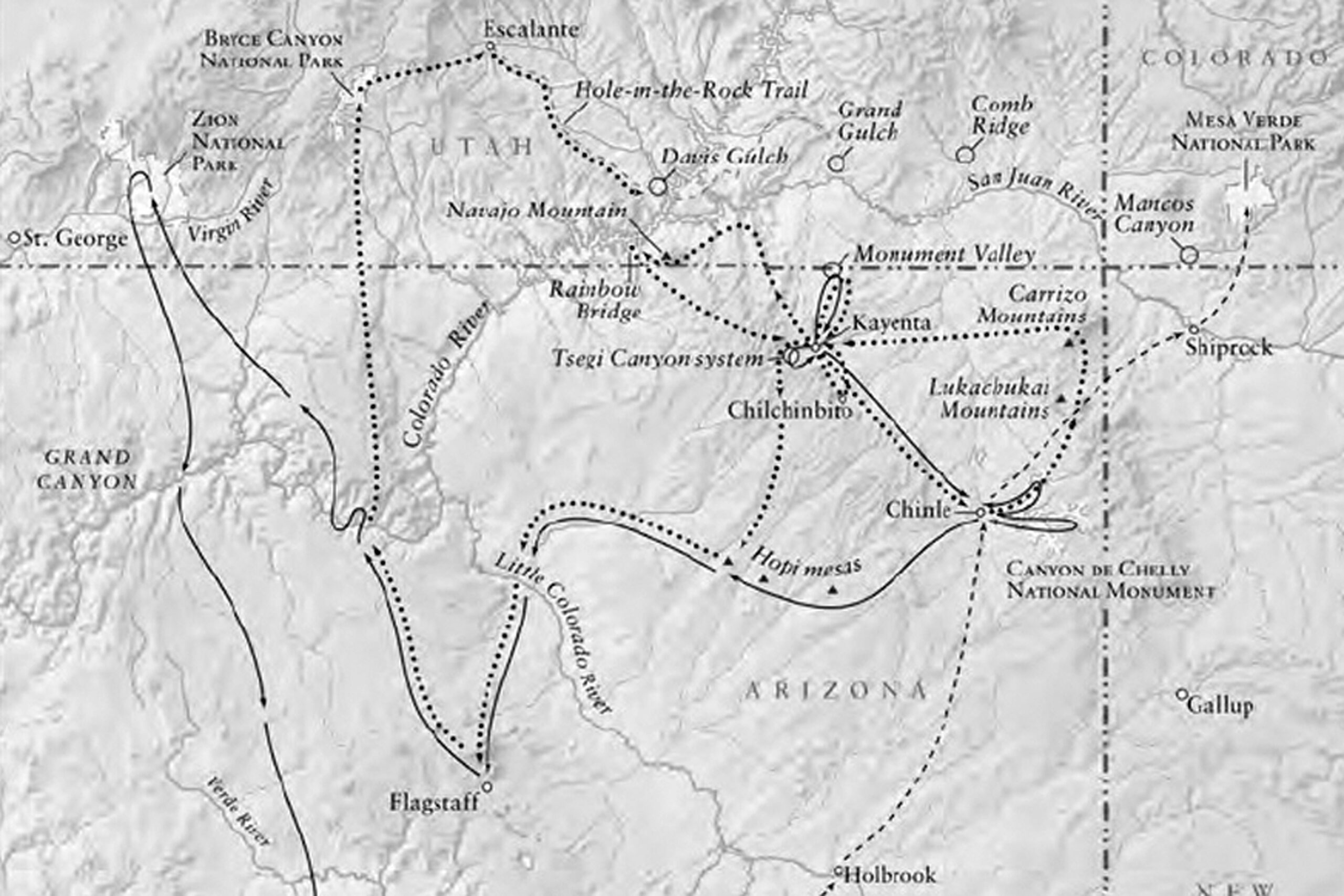
**Map Photo Credit to David Roberts.
After finishing this novel, be sure to explore Robert Louis DeMayo’s other historical fiction
based on remarkable real-world wanderers and adventurers.